Super Early
Deadline
December 22, 2026
Judging
Date
July 25, 2027
Winners
Announced
August 12, 2027
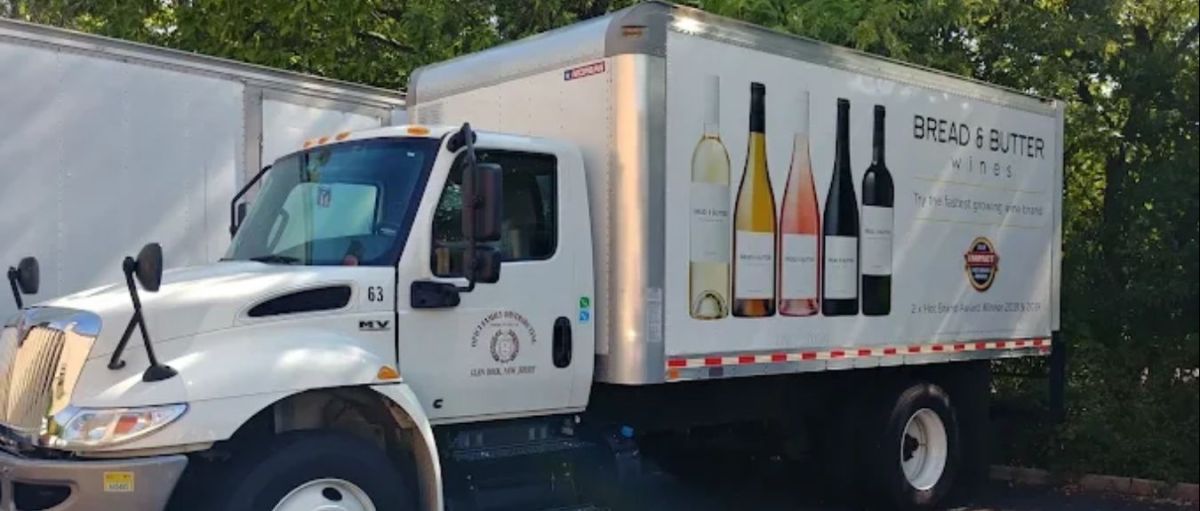
For a boutique winery, the right U.S. partner does more than arrange the movement of bottles. It understands the producer, identifies suitable accounts, and gives its sales team a clear reason to recommend the wine.
That makes portfolio fit essential. A specialist in Italian family estates may be well suited to an unfamiliar indigenous variety. A natural-wine importer may place particular importance on farming and cellar practices. A regional distributor may offer the focused market coverage a small winery can realistically support.
The following guide brings together 50 boutique and specialist wine importers and distributors serving the United States. Some are small businesses with tightly focused portfolios; others are larger companies that maintain a strong commitment to independent producers.
Official websites and company portfolio information were checked for this article on October 28, 2026. This is an editorial guide, not a sales ranking. Importing and wholesale distribution are different services, and inclusion does not mean a company is currently accepting new producers.
Kermit Lynch Wine Merchant imports wines from France and Italy, with a portfolio spanning celebrated regions and less familiar appellations. Its producer-centered approach makes it an important reference for wineries studying specialist importing. Producers should examine the existing growers and regional coverage before proposing a fit.
Rosenthal Wine Merchant emphasizes small, family-owned estates and wines that communicate their origins. Its portfolio includes producers from France, Italy, Switzerland, Spain, and Austria. For wineries, the central question is whether their vineyards, winemaking, and regional identity complement the merchant’s established approach.
Louis/Dressner Selections has longstanding relationships with independent growers and a strong interest in farming and winemaking practices. Its website provides extensive producer information and harvest reports. Wineries researching the business should be ready to discuss their work in the vineyard and cellar in detail.
Skurnik Wines & Spirits combines national importing with direct wholesale distribution in selected states. Its portfolio includes boutique producers from around the world. Suppliers should distinguish between a national import relationship and a proposal for a specific wholesale market, then approach the relevant team accordingly.
T. Edward Wines & Spirits began with boutique estates and continues to emphasize family-owned producers, craftsmanship, and authenticity. Its business includes importing and distribution. A winery’s introduction should explain the people behind the wine, its production philosophy, and its commercial role within the portfolio.
Bowler Wine is a New York-based importer and distributor focused on naturally made, small-production wines. Its selection emphasizes personality, regional character, and family growers. Wineries should research both its direct producer relationships and the other import portfolios it represents before making an introduction. NYC Wine Spirits Importer Distributor
European Cellars imports wines from family-owned properties practicing responsible viticulture. Its roots in France and Spain have expanded into other origins. Producers should assess how their wines express place and whether they add a distinct regional or stylistic contribution to the existing selection.
De Maison Selections is a national importer with a strong commitment to artisanal properties, regional heritage, and producer independence. Its business distinguishes national importing from direct distribution through De Maison East. Wineries should establish which relationship they are seeking before presenting their portfolio.
Polaner Selections combines established reference-point producers with smaller wineries, indigenous varieties, and less familiar regions. Its selection includes traditional producers and growers using organic or biodynamic practices. A compelling proposal should explain both the wine’s individuality and its value at the intended selling price.
Martine’s Wines operates as an importer and wholesaler, with producer profiles and current wine information on its website. Its portfolio includes wines from established French regions and distinctive estates such as Domaine des Ardoisières. Suppliers should study the relevant regional selection before proposing additional representation. Importer & Wholesaler since 1979
Jenny & François Selections focuses on natural wines from small growers. Its philosophy considers both vineyard practices and cellar methods. Producers researching the company should prepare a transparent account of farming, fermentation, additions, and production, alongside the practical information needed to evaluate a U.S. launch.
Zev Rovine Selections works with growers who farm organically or biodynamically and favor minimal intervention in the cellar. Its producer list spans numerous countries. Wineries should assess philosophical fit and regional overlap, rather than assume a natural-wine identity alone creates an opening in the portfolio.
Selection Massale imports natural wines from small wineries, emphasizing precision and drinkability. Its stated approach favors naturally fermented wines and growers working largely organically or biodynamically. Producers should explain how their practices translate into the wine’s character and consistency.
José Pastor Selections champions small growers and traditionally made wines, with deep Spanish roots and a portfolio extending to other origins. Its selection includes regional grapes and distinctive vineyard environments. Wineries should explain what makes their wines an authentic expression of their particular place.
SelectioNaturel specializes in Italian wines made in small quantities using natural and traditional methods. Its narrow focus makes regional and philosophical alignment especially important. Italian producers should study the represented growers and explain what their wines contribute beyond an appealing production story.
Vom Boden focuses on small estates and growers whose work or locations sit outside the obvious mainstream. Its website includes current material on German wine. Producers considering the company should research its selection carefully and explain the vineyard, regional, and stylistic reasons their wines belong in that conversation.
Schatzi Wines emphasizes the connection between growers and wine drinkers, with authenticity, sustainability, and terroir central to its approach. Its portfolio is built around producer relationships. Wineries should prepare clear information about their farming, wines, and expectations for a long-term importing partnership.
Olmstead Wine Co. is a Massachusetts distributor explicitly focused on natural wine. It provides a regional prospect for producers and importers whose wines fit that category. Suppliers should examine the portfolio and establish the current route for introducing new wines to the team.
Walden Selections is a Washington State importer and distributor of wine and other beverages. It also appears in SelectioNaturel’s distribution network. Producers researching Washington should review the existing selection and discuss the specific importing or wholesale services required.
Nomadic Distribution presents itself as an importer and distributor of organic and natural wines. Its website includes producer information and a natural-wine shop. Suppliers should begin by reviewing the current producer list and confirming the relevant markets, portfolio needs, and submission process.
The Piedmont Guy is a U.S.-based importer specializing in family-owned wineries from Piedmont. Its focused portfolio makes it particularly relevant to producers from that region. A pitch should explain the winery’s local identity, varieties, and position alongside the estates already represented.
Oliver McCrum Wines & Spirits imports small-production Italian wines and operates distribution activities. Its stated preferences include clarity, freshness, indigenous varieties, and transparent winemaking. Producers should connect those characteristics with pricing and an account proposition that a sales team can readily explain.
Dalla Terra describes its business as a national agent and direct importer for a select group of artisan, family-owned Italian wineries and spirits producers. Italian suppliers should understand its direct-import model and assess the existing regional portfolio before approaching the company.
Indigenous Selections represents a curated group of Italian wineries selected for authenticity and regional character. Its portfolio covers origins including Piedmont, Tuscany, Veneto, Campania, Sicily, and Friuli. Producers should show how their wines offer a distinctive expression within the relevant region and price segment.
Porto Vino maintains a French and Italian portfolio that includes producers from regions such as the Loire, Burgundy, Piedmont, and Sicily. Its website provides a detailed producer list. Suppliers should examine that regional coverage and explain where their wines add a meaningful point of difference.
North Berkeley Imports sources wines from France and Italy, combining importing with selected direct-market portfolios and distribution partners. Its offer reaches restaurants, wine shops, and collectors. Producers should distinguish the national portfolio opportunity from the company’s specific wholesale-market activities.
Michael Corso Selections is a specialist importer with a strong French wine focus. Its portfolio includes regions such as Alsace, Burgundy, the Loire, and the Rhône. Producers should present their regional credentials alongside a clear explanation of value and likely U.S. positioning.
Charles Neal Selections is a San Francisco-based importer and distributor with French wines and a substantial spirits selection. Its specialist approach makes it relevant to producers with a clear regional identity. Suppliers should explain the wine’s quality and commercial relevance without relying on small production as the sole selling point.
Brazos Wine Imports focuses on artisan wines from Argentina, Chile, and Uruguay. Its stated interests include estate-grown, small-production wines that express specific places. South American producers should prepare detailed vineyard information and explain how the wines differ from more familiar market offerings.
Little Peacock Imports emphasizes a curated selection of family wineries, with producer listings covering Australia, France, Italy, and New Zealand. Its positioning combines discovery with commercial performance. Suppliers should explain why the wine is distinctive and how it can earn repeat purchases.
Grand Cru Selections is a New York-based importer and distributor with a strong fine-wine portfolio. Its producer information covers Champagne, Burgundy, and other regions. Wineries should research the existing estates closely and present a precise case for stylistic, regional, and commercial fit.
Coeur Wine Co. emphasizes long-term producer relationships and wines it considers honest and authentic. Its website provides producer information and distribution partners. Suppliers should focus their introduction on the wine’s quality, its intended customer, and the practical foundations of a lasting relationship.
Communal Brands combines production, importing, and distribution, with an emphasis on environmentally conscious wines and contemporary presentation. Its offer includes alternative formats such as boxed wine. Wineries should consider how product format, quality, and customer occasion work together within this business model.
Vine Connections imports and distributes wines from family producers in origins including Argentina, Chile, Italy, France, and California. Its website provides trade tools such as technical sheets and shelf talkers. Producers should prepare a similarly complete set of materials when seeking representation. Global Wine, Sake & Spirits Importer
Massanois is a national importer with direct distribution in selected markets. Its portfolio emphasizes quality-driven, family-owned wineries and distilleries. Suppliers should determine whether they need importing, direct wholesale distribution, or both, then tailor the proposal to the appropriate operation.
Banville Wine Merchants combines national importing with wholesale operations in selected U.S. markets. Its approach centers on a selective, quality-focused portfolio. Producers should distinguish the national import opportunity from local distribution and identify the specific customer and price tier their wines would serve.
Regal Wine Imports maintains importing and distribution activities across wine and other beverage categories. Its website includes producer portfolios, trade information, and recent company content. Wineries should examine the relevant portfolio and market operation before proposing a new regional or stylistic addition.
Artisans & Vines sources wines from Europe and several New World origins, emphasizing terroir and value. Its business includes importing, marketing, and distribution relationships. Suppliers should clarify the proposed territory and responsibilities, then connect their wine’s identity with a realistic market-development plan.
Wine Traditions seeks independent growers whose wines express their vineyards and offer accessible value. It operates as a national importer and a licensed distributor in Washington, D.C., and Virginia. Producers should establish which role applies to their proposed relationship.
Cream Wine & Spirits is a Chicago-based importer and distributor serving Illinois. It champions small, artisan, family-owned producers and also works with national importers. Wineries should distinguish direct import representation from an Illinois distribution opportunity through an existing U.S. importer.
Vineyard Road serves retail and restaurant license holders in Massachusetts and Rhode Island. Its portfolio emphasizes small-production and artisanal wines and includes several specialist import books. Suppliers should review both the direct winery selection and represented importers before approaching the company. Massachusetts & Rhode Island
Free Run Wine Merchants is a regional importer and distributor serving independent restaurants and retailers in the Mid-Atlantic. Its stated interests include responsibly grown, artisan-crafted wines and minimal-intervention production. Wineries should support their production story with clear pricing and a focused regional sales proposal.
Oz Wine Company is a Massachusetts importer and wholesaler championing farming families and wines with a sense of place. Its portfolio emphasizes character and responsible practices. Producers should explain their vineyard identity, wine style, and relevance to the state’s restaurant and retail accounts.
Potomac Selections focuses on small-production, family-run estates serving Maryland, Washington, D.C., and Virginia. It combines direct winery relationships with specialist import portfolios. Suppliers should identify whether their best route is a direct discussion or coordination through their existing national importer.
Estate Brands Distributing Company is a locally owned Colorado wholesaler representing selected wines and other beverages. It emphasizes product knowledge and careful selection. Wineries should prepare a Colorado-specific plan with suitable accounts, realistic volume expectations, and a clear commitment to supporting the sales team.
Vin Sauvage is a Nevada distributor established as an alternative to larger beverage houses, with an interest in independent producers. Its operation serves southern and northern Nevada markets. Wineries should consider which accounts fit their wines and how they will support sales across the relevant territory.
Uncorked is a locally owned importer and distributor serving Louisiana. Its suppliers include small artisan wineries, many of them family-run and engaged in sustainable, organic, or biodynamic farming. Producers should explain how their wines combine individuality with a persuasive quality-to-price proposition.
AVA Wine & Spirits serves Wisconsin with a curated portfolio aimed at independent-minded restaurants and retailers. Its supplier positioning emphasizes thoughtful placement, brand integrity, and long-term growth. Wineries should prepare a targeted launch proposal and explain the resources available to build repeat business.
Artisan Fine Wine & Spirits serves Oklahoma and provides wine portfolios organized by region and importer. It is a regional prospect for wineries and their U.S. representatives. Suppliers should assess current portfolio coverage and explain where their wines add a distinct customer opportunity.
American Northwest Distributors lists statewide coverage in Washington, Oregon, and Idaho. It offers a regional route for wineries researching Pacific Northwest distribution. Suppliers should confirm wine-specific arrangements in each state and establish which local team and account base best fit their proposed launch.
A list becomes useful when it turns into a focused shortlist. Begin with companies whose existing producers, regions, price points, and customers suggest a credible fit.
Before requesting a meeting, prepare:
- A clear portfolio introduction: Who you are, where you grow, what you produce, and which wines you want to place.
- A reason for approaching that company: Explain how your wines complement its selection.
- Commercial information: Relevant pricing, available quantities, vintages, case configurations, and lead times.
- Production and farming details: Provide accurate information that supports your positioning.
- Evidence of demand: Share meaningful sales results, repeat orders, or performance in comparable markets.
- Supplier support: Explain your availability for market visits, account calls, tastings, and follow-up.
-Sales-team education: Give representatives a simple explanation of the wine, its customer, and its strongest selling points.
- Marketing materials: Prepare technical sheets, bottle images, shelf talkers, and relevant recognition.
An importer or distributor needs to see how the relationship can work commercially. A compelling winery story becomes stronger when it is supported by dependable supply, clear pricing, and a practical plan to help accounts sell the wine.
Enter 6 wines in USA Wine Ratings before November 20, 2026, and receive this list of 50 U.S. wine importers and distributors, with relevant decision-maker contacts, at no additional cost.
Once you enter, our team will contact you to discuss your target markets, wine portfolio, and distribution requirements. We’ll then send you the list with relevant buyer, portfolio manager, and other decision-maker contacts to help you plan your outreach.
Build your target list, prepare your pitch, and start shaping your 2027 U.S. distribution strategy.
Enter your 6 wines to get started.
Also Read:
50 Craft Spirits Importers and Distributors in the USA That Producers Should Know
50 Major U.S. Spirits Retailers, Liquor Store Chains and Bottle Shops
How to Become a Priority for Your Distributor or Importer
2026 USA Spirits Ratings Winners Announced. Congratulations to all the winners!