Super Early
Deadline
December 22, 2026
Judging
Date
July 25, 2027
Winners
Announced
August 12, 2027
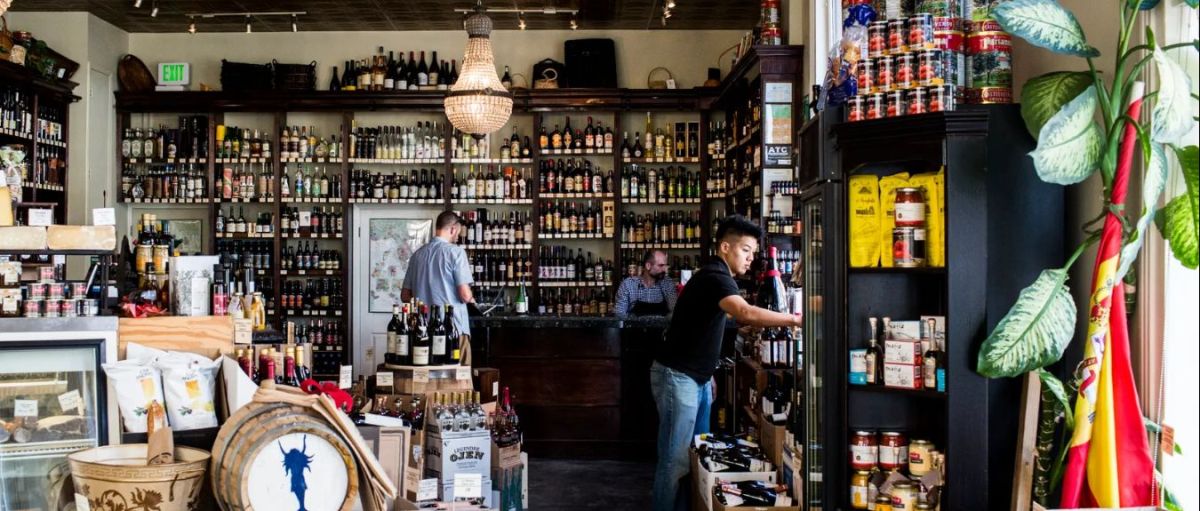
America’s craft spirits story is increasingly being told at retail. Across the country, independent bottle shops, specialist liquor stores, and knowledgeable regional retailers are creating shelves that go well beyond the familiar international brands. They are making room for small-batch American whiskey, independently produced gin, rum, brandy, agave spirits, amari, liqueurs, and an expanding range of bottles from emerging distilleries.
For consumers, these stores offer something that an endless online catalogue cannot always provide: context. A good spirits retailer can explain why a rye from a small producer tastes different from a mainstream whiskey, suggest a mezcal based on the style of tequila someone already enjoys, or introduce a customer to a local distillery they might otherwise overlook.
The strongest craft spirits shops aren't necessarily the ones with the most bottles. What matters is curation. Knowledgeable buyers, staff recommendations, tastings, relationships with independent distillers, single-barrel selections, and a willingness to give shelf space to less familiar producers all make a difference. For drinkers looking to explore that market firsthand, here are some of the craft-focused spirits shops worth knowing across the United States.
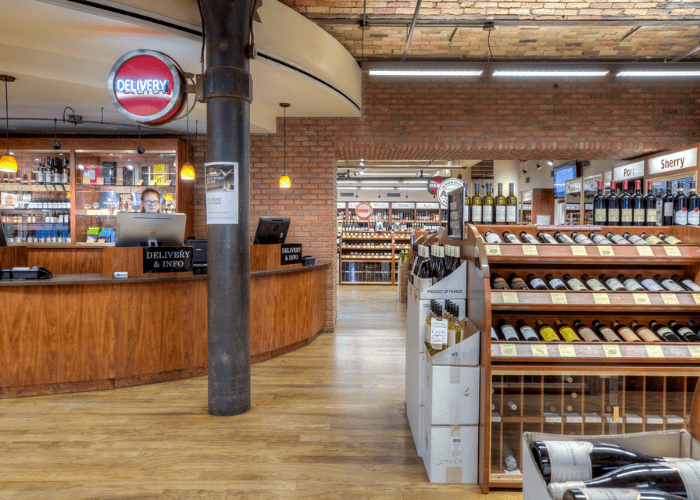
Source: Astor Wines & Spirits
Astor Wines & Spirits is one of New York City’s established destinations for serious bottle shopping. Its spirits department spans American whiskey, rum, brandy, mezcal, gin, and liqueurs alongside major international names. For shoppers who prefer to drink closer to home, New York also has a strong distilling community, including Brooklyn producers such as Kings County Distillery, known for its whiskeys. Astor’s breadth makes it particularly useful for comparing regional craft products with established national and global brands.
In Boston’s Financial District, Federal Wine & Spirits combines an old-school specialist-shop feel with serious spirits expertise. It is particularly well known for whisky while regularly introducing customers to smaller and unusual producers. Boston itself now provides plenty of local context. Boston Harbor Distillery, founded by Rhonda Kallman in 2012, makes its spirits in Dorchester, including Putnam Rye Whiskey, Putnam American Single Malt, Lawley’s New England Gin and Lawley’s New England Rum. These are the kinds of regional bottles worth asking about when exploring Boston’s independent spirits retail scene.
Philadelphia’s BOTLD takes the local proposition one step further, building its identity around Pennsylvania-made alcohol. That makes it particularly relevant in a city with an established craft distilling scene. Philadelphia Distilling, for example, produces Bluecoat American Dry Gin, Vigo Amaro, and Penn 1681 Vodka in Philadelphia. BOTLD offers consumers a direct way to discover Pennsylvania producers that can easily disappear within the much broader selection of a national retailer.
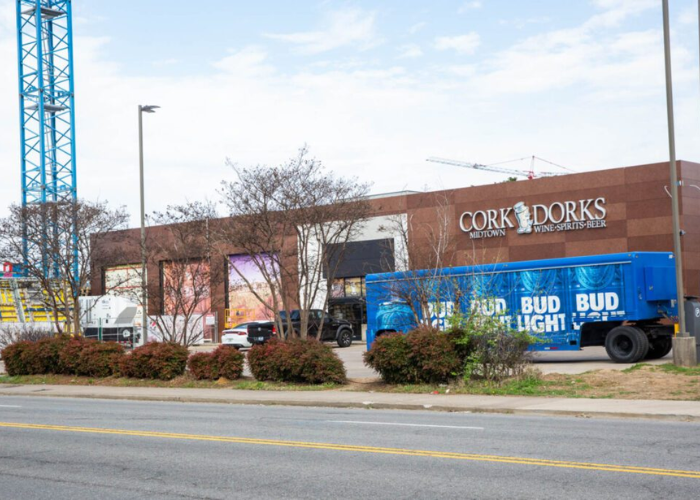
Source: Nashville Guru
Nashville is firmly established as whiskey country, and Corkdorks Wine Spirits Beer gives shoppers plenty of ways to explore it. Its selection stretches from difficult-to-find bourbon and whiskey to bottles from Tennessee producers. One regional name worth knowing is Nelson’s Green Brier Distillery, which operates in Nashville and produces its revived Green Brier Tennessee Whiskey alongside Nelson Brothers bourbon and rye. For visitors who want to understand Tennessee whiskey beyond the biggest brands, specialist stores provide an ideal starting point.
For the Charleston area, Bottles Beverage Superstore in Mount Pleasant combines a broad international range with opportunities for local discovery. Charleston has developed its own distinctive distilling identity through companies including High Wire Distilling, whose portfolio includes Jimmy Red Bourbon made from the historic Jimmy Red corn variety, Revival Rye, and Southern Amaro made with regional ingredients. Striped Pig Distillery, meanwhile, describes itself as Charleston’s first distillery since Prohibition.
Austin’s cocktail culture has created a strong market for adventurous bottle shops, and The Austin Shaker is built around that audience. Its bartender-minded assortment spans American whiskey, mezcal, rum, amari, vermouth, bitters, and liqueurs. Texas-made spirits have also become an important part of the conversation, with distilleries across the state producing bourbon, American whiskey, gin, and increasingly experimental releases. A good Austin shop gives customers a chance to compare those regional expressions with bottles from Kentucky, Mexico, Europe, and beyond.
Source: ASW Distillery
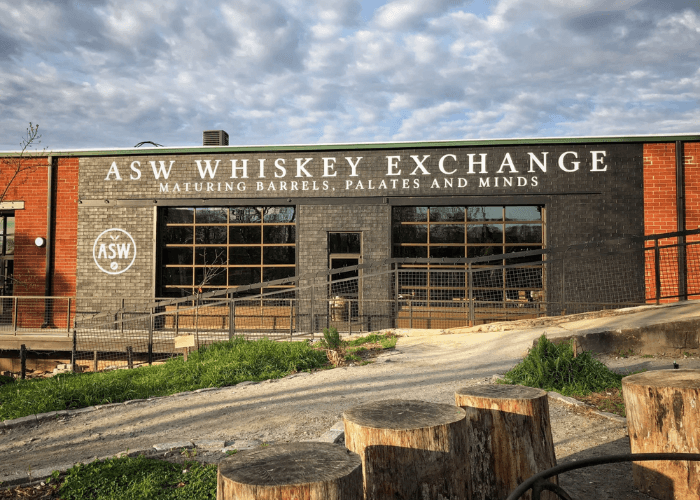
Elemental Spirits Co. in Atlanta’s Poncey-Highland neighbourhood takes a tightly curated approach, making it particularly attractive to drinkers interested in independent producers, unusual liqueurs, agave spirits and less familiar bottles. Atlanta also has a growing production story. ASW Distillery makes whiskey in the city, including Fiddler Bourbon, Resurgens Rye, Duality Double Malt and several American single malts, while also producing gin and vodka. That gives Atlanta shoppers the opportunity to put locally made spirits alongside bottles from traditional whiskey regions.
New Orleans understands spirits culture better than most American cities, and Keife & Co. reflects that. Its Warehouse District selection balances established producers with artisanal distillers across whiskey, rum, tequila, mezcal, gin, speciality liqueurs and bitters. In Louisiana, rum is a particularly natural category to explore thanks to the state’s connection with sugarcane, although New Orleans’ modern craft scene now reaches well beyond it. Keife & Co.’s participation in the New Orleans Spirit Exchange and its single-barrel selections make the store especially relevant for enthusiasts seeking something beyond standard releases.
The name says plenty about Independent Spirits. Located on North Broadway, the Chicago retailer carries an adventurous mix that can include American whiskey, Mexican whisky, rhum agricole, Calvados, Japanese whisky, and small-production gin. Chicago itself contributes unusual regional spirits through producers such as Rhine Hall Distillery, which specializes in fruit brandies and sources much of its fruit from the Great Lakes region. This local category shows why specialist retail matters.
Family-owned France 44 Wines & Spirits combines local products with bottles sourced from around the world, supported by tastings, classes and staff education. Minnesota has developed an interesting craft distilling sector covering whiskey, gin, aquavit and other categories, giving shoppers plenty to explore beyond the traditional whiskey-producing states. France 44’s mix of regional and international products makes it particularly useful for customers who want to understand where Minnesota spirits fit within a wider category.
Source: Valentine Distilling Co.
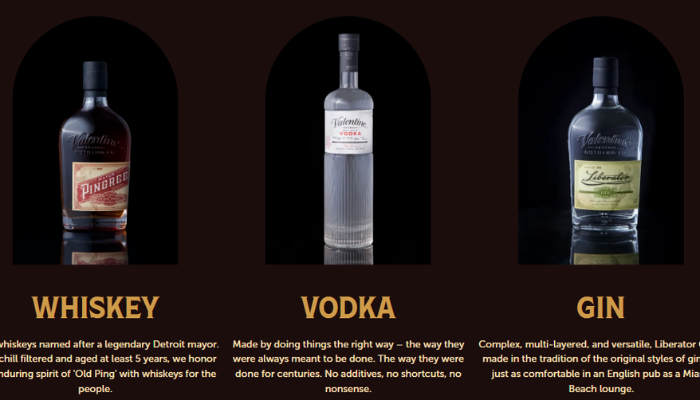
In the Detroit metro area, Holiday Market in Royal Oak has developed a substantial spirits department spanning major labels, small-batch products, and Michigan producers. Nearby craft names give the shelf a clear sense of place. Two James Spirits, based in Detroit’s Corktown neighborhood, produces whiskey, gin, rum, and absinthe and describes itself as Detroit’s first licensed distillery since Prohibition. Valentine Distilling Co. is another Michigan name shoppers may encounter alongside national brands.
It is difficult to talk about American spirits retail without Louisville, where bourbon is part of the city’s identity. Evergreen Liquors, operating alongside Cox’s Spirit Shoppe locations, gives enthusiasts access to a deep bourbon and American whiskey range. The advantage here is proximity to producers themselves: Louisville and its surrounding region are home to major and independent distilleries, making local retail shelves an excellent place to compare house styles, limited editions, and single-barrel selections without treating bourbon as one uniform category.
Mike’s Wine & Spirits is a useful Kansas City stop for drinkers interested in both national and Missouri-made bottles. The local spirits scene adds plenty of character to that search, with Kansas City producers making American whiskey, gin, vodka, and other categories. Smaller Missouri companies also depend on retailers to connect their bottles with consumers who may never visit the distillery itself, making stores such as Mike’s an important link between local production and everyday discovery.
Source: K&L Wine Merchants
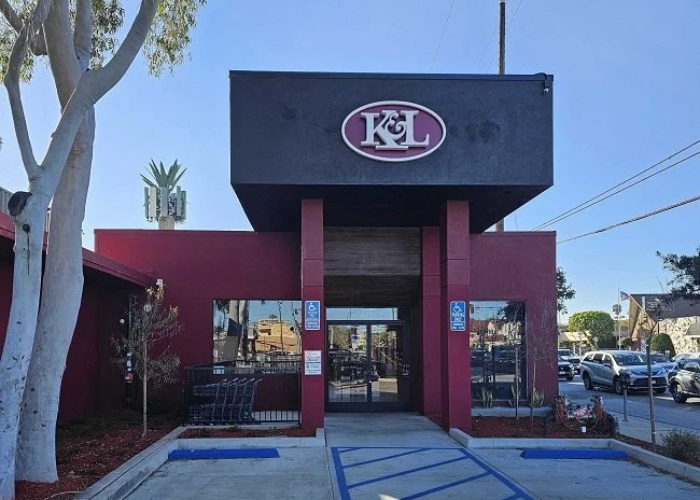
San Francisco’s K&L Wine Merchants combines scale with specialist buying, including exclusive single barrels and small-batch releases. Northern California also offers one of America’s deepest craft distilling traditions. Across the Bay in Alameda, St. George Spirits produces American single malt whiskey, several gins, fruit brandies, liqueurs, absinthe, and other distinctive spirits. San Francisco-based Hotaling & Co. also has deep local roots and a portfolio that includes Old Potrero Rye Whiskey and Junipero Gin.
Silver Lake’s Bar Keeper is built for cocktail-minded shoppers, with categories ranging from American whiskey and mezcal to sotol, absinthe, amari, aperitifs and bitters. Los Angeles also has its own distilling history to explore. Greenbar Distillery, founded in 2004, describes itself as Los Angeles’ first distillery since Prohibition and makes a broad range of spirits and ready-to-drink products in the city. That gives local shoppers another reference point when moving between Californian craft bottles and international cocktail staples.
Portland’s independent drinks culture extends naturally into spirits. Westmoreland Liquor Store offers shoppers access to categories including bourbon, tequila and local products. Oregon’s production scene includes Westward Whiskey, one of the best-known names associated with American single malt from the Pacific Northwest, alongside a broader community producing gin, brandy, whiskey and liqueurs. For visitors, asking for an Oregon-made bottle can be one of the quickest ways to understand the region’s increasingly distinctive spirits identity.
Downtown Spirits combines a modern retail format with discovery across wine, beer and spirits. Washington State offers particularly strong regional context through its growing American single malt sector, as well as locally produced gin, vodka, brandy and liqueurs. Seattle-area producers have helped demonstrate that American whiskey does not have to follow Kentucky bourbon conventions, giving specialist retailers a useful opportunity to introduce customers to a very different expression of grain, climate and maturation.
Few stores are as closely associated with a spirits family as Old Town Tequila in San Diego. Agave is the obvious attraction, but its inventory reaches far beyond tequila into mezcal and a broad range of international categories. San Diego also has a modern distilling scene of its own, with producers creating whiskey, rum, gin, and canned cocktails. For shoppers, the combination makes it possible to move from regional California spirits to an exceptionally deep exploration of Mexican agave categories in a single market.
Source: Leopold Bros
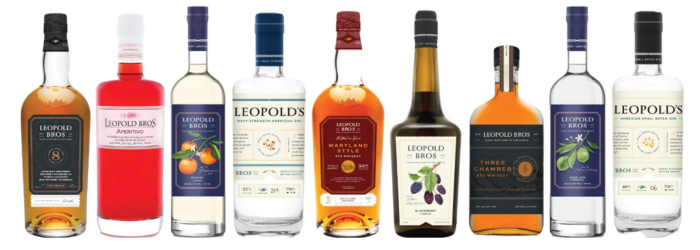
At Mr. B’s Wine & Spirits, curation comes before sheer volume. The Denver retailer seeks distinctive spirits across whiskey, rum, gin and amari, an approach that fits particularly well in Colorado. The state’s producers include Laws Whiskey House, Leopold Bros. and Stranahan’s, giving local shoppers a strong selection of Colorado whiskey styles to investigate alongside bottles from Kentucky, Scotland and elsewhere.
Trevor’s Liquor has turned bottle shopping into a broader hospitality experience, combining curated spirits with bars, food and tasting opportunities at its Phoenix-area locations. Arizona’s hot climate and desert identity are increasingly part of its craft spirits story, with regional distillers producing whiskey, gin, and other categories. For consumers, stores such as Trevor’s offer the useful experience of putting those Arizona-made products directly beside better-known national competitors.
Utah works differently from most states. Packaged spirits are sold primarily through the state-controlled Department of Alcoholic Beverage Services network rather than conventional private liquor retailers. That system is therefore essential for finding regional bottles. Utah has a distinctive production scene that includes whiskey, gin, and botanical spirits, with brands such as High West and Beehive Distilling helping give the state a recognizable identity beyond its unusual retail structure.
Source: Wheree
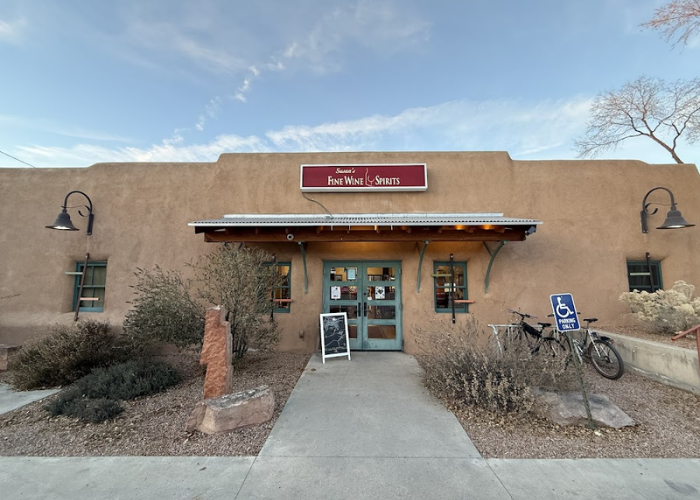
Locally owned Susan’s Fine Wine & Spirits has served Santa Fe since 2005 and carries both established and difficult-to-find spirits. It also sits in a particularly distinctive regional market. Santa Fe Spirits produces American single malt whiskey, gin, vodka, brandy, and liqueur, with products including mesquite-smoked whiskey and gins incorporating Southwestern ingredients such as prickly pear and purple sage. Few regions offer a clearer example of spirits expressing their physical surroundings.
Away from the Strip, Khoury’s Fine Wine & Spirits offers a more local approach to bottle shopping, focusing on specialty wine, craft beer and small-batch spirits. Nevada’s production story is smaller than that of neighboring California but increasingly interesting. Las Vegas Distillery, for example, has produced local whiskey and rum, while Nevada-made spirits give visitors an alternative to the international luxury brands that dominate much of the Strip.
America’s best craft spirits shops do more than put bottles on shelves. They connect drinkers with the character of a region, whether that means Boston-made rye, Pennsylvania gin, Charleston bourbon, Michigan whiskey, or a Southwestern single malt shaped by local ingredients. For consumers, these retailers make discovery easier by adding knowledge, context, and recommendation to the buying experience. For producers, they are equally important: earning shelf space means delivering not only distinctive liquid, but also the right price, packaging, and story for a competitive market. As American distilling continues to expand beyond its traditional strongholds, specialist retailers will play an increasingly important role in deciding which regional spirits reach a wider audience. The strongest stores ultimately act as both curators and storytellers, helping drinkers understand not just what they are buying, but where it comes from, why it is different, and why it deserves a place in their glass.
Header image source: Bon Appétit
Also Read:
Michael Myers On Colorado Whiskey, High Proof, And The Next Chapter For Distillery 291
Jettywave Distillery: Bottling the Flavours of California's Coast
2026 USA Spirits Ratings Winners Announced. Congratulations to all the winners!