Super Early
Deadline
December 22, 2026
Judging
Date
July 25, 2027
Winners
Announced
August 12, 2027
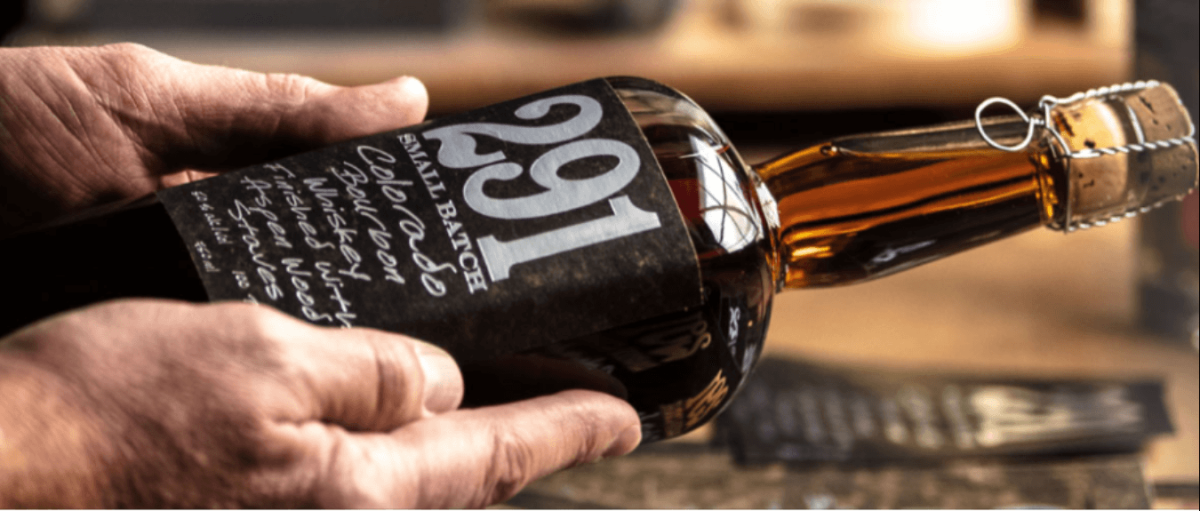
Michael Myers has built Distillery 291 into one of the more distinctive names in American craft whiskey by combining a strong sense of place with an unconventional approach to production and brand identity. Based in Colorado Springs, Myers has shaped 291 around bold, high-proof whiskeys that reflect Colorado through local grains, mountain water, and the distillery’s signature toasted Aspen stave finishing. His path into whiskey was equally unconventional; before founding Distillery 291, Myers worked as a fashion and beauty photographer in New York, bringing a creative mindset that continues to influence how he approaches distilling, packaging, and storytelling. As the American whiskey category becomes more competitive, standing out now requires more than quality alone, with bartenders, buyers, and consumers increasingly looking for authenticity, versatility, value, and a clear point of difference. In this conversation, Myers discusses how Distillery 291 has evolved, what defines its house style, the role of high-proof whiskey behind the bar, the importance of bartender engagement, private barrel programs, changing consumer preferences, and what independent distilleries need to do to remain relevant in the next chapter of American whiskey.
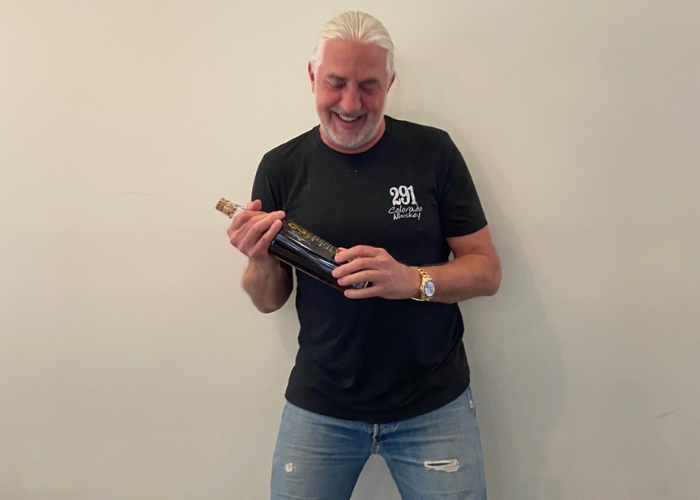
When I started 291, I had a very specific whiskey in mind: bold, expressive, and unmistakably from Colorado. Fifteen years later, we’ve learned a great deal about our barrels, our grain, and how to bring those flavors together, but we’ve stayed committed to making the whiskey ourselves in Colorado Springs. What stands out to me is the flavor. There’s rye spice, richness from the barrel, and a finish that keeps unfolding. I want someone to taste 291 blind and know they’ve found something different.
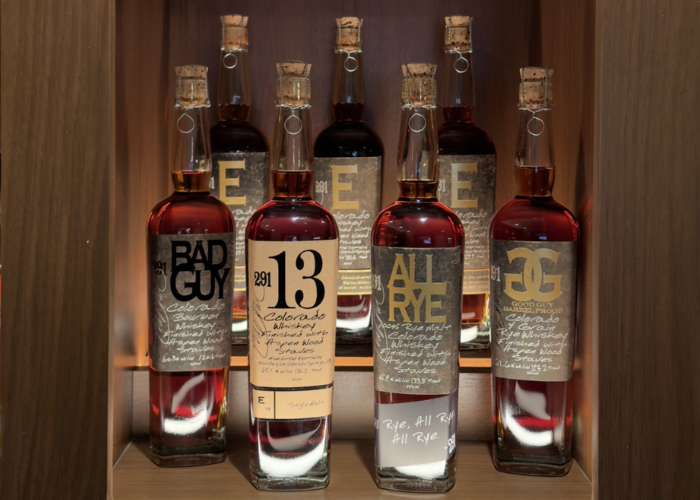
Colorado whiskey has to be more than whiskey made at a Colorado address. I wanted ours to have the intensity and character I feel living here. We make it grain to barrel to bottle in Colorado Springs, and we finish many of our whiskeys with toasted Colorado Aspen staves. Over time, “Colorado whiskey” has become a clearer expression of our own house style: big flavor, a strong sense of place, and enough balance that you want to go back for another sip.
Our whiskey gets its foundation from aging in heavy-char American white oak. The toasted Aspen finish adds another dimension to that foundation. To me, it brings a distinctive wood character and helps tie the sweetness, spice, and oak together through the finish. It’s especially useful when introducing 291 to a bartender because they can taste the difference for themselves. The Aspen gives them a story to tell, but what matters is whether they like the whiskey in the glass.
As a photographer, I learned to pay attention to every part of the frame. I still work that way. When I taste whiskey, I’m thinking about how the first impression, the middle, and the finish work together. I want the flavor to have contrast and depth, the way a good image does. The packaging matters to me for the same reason: it should make you curious enough to pick up the bottle, then the whiskey has to justify that attention.
A high-proof whiskey gives a bartender more to work with. The rye spice, barrel sweetness, and oak can remain present when you add ice, vermouth, citrus, or bitters. But you have to respect the proof. I’d rather see a bartender taste the whiskey first and adjust the recipe around it than simply swap it into a standard spec. The right dilution can open up flavors that might be less obvious in a neat pour.
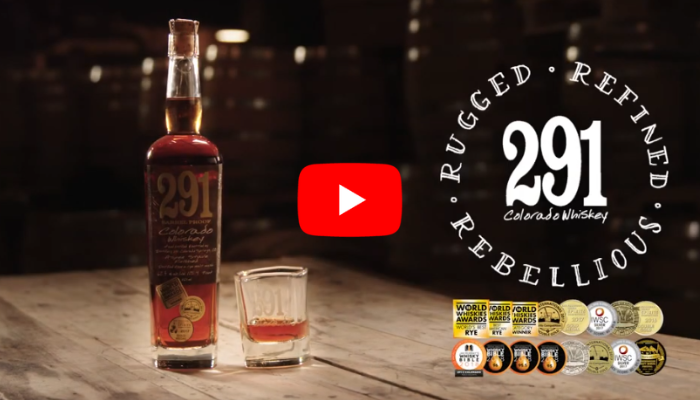
Value may be the hardest, because it asks you to look at the whiskey from the bartender’s side of the bar. I can be proud of what went into a bottle, but the bartender has to decide whether its flavor, performance in a cocktail, and cost per pour work for their program. Taste and balance have to come first. Then the bottle has to make sense as something they can actually use and sell.
I know a bar can’t buy a whiskey on passion alone. They need to know what it brings to the menu and whether guests will order it again. For 291, I think the value is in a flavor that makes itself known, whether it’s served neat or used as the backbone of a cocktail. We have to be honest about the cost of making whiskey the way we do, while listening carefully to what buyers need at different price points.
They’re very important, and it’s something you understand better when you watch a bartender work during a busy service. A bottle needs to be recognizable on the back bar, but it also needs to be comfortable to handle and easy to pour. I care deeply about how 291 looks. I also want its design to help the person using it, because a bottle that gets in the way won’t earn a lasting place behind the bar.
I think there will be a contraction. There are a lot of whiskey brands competing for limited shelf space, limited menu space, and consumers who are watching what they spend. That’s a hard environment for a small distillery, even one making excellent whiskey. The businesses that make it through will need to know who they are, manage their costs, and build real demand one account and one customer at a time. I still believe people will seek out distinctive whiskey; we have to give them a reason to come back to it.
They matter because a buyer should be able to understand what makes one whiskey different from another. There’s nothing inherently wrong with sourced whiskey, but producers should be clear about what they’ve made and what they’ve bought. At 291, we make our whiskey ourselves, and that lets us keep working on a flavor that is recognizably ours. The strongest proof of provenance isn’t a paragraph on the label. It’s tasting a whiskey and recognizing its character.
Source: Distillery 291
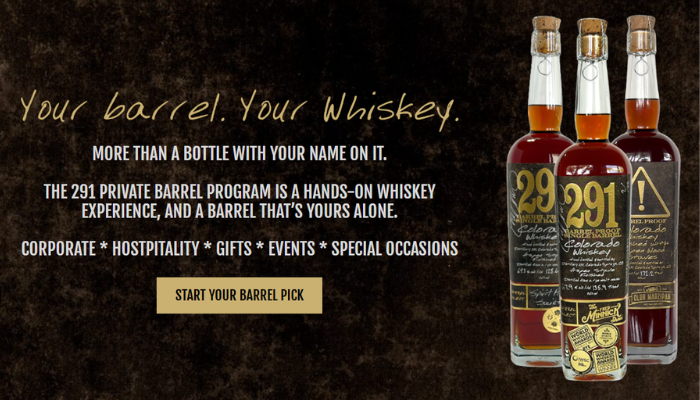
Professional buyers want to choose something their guests can’t get everywhere else, but they also want to be proud of what’s in the bottle. When we taste through barrels together, the conversation quickly becomes specific: one has more spice, another more sweetness, or a different finish. The best pick is the one that fits that bar or retailer and gives their team something they’re excited to pour and talk about.
Technical excellence is the foundation. The art is knowing what to do with it: when to push the spice, when to let the sweetness come through, and when the finish needs more time. A whiskey can be technically flawless and still leave you with nothing to remember. I want 291 to have balance, but I also want it to have character that a bartender can taste, work with, and get excited to share. Then you have to listen to those bartenders and show up for them. That’s how a great spirit becomes one they keep pouring.
Header Image Source: Distillery 291
Also Read:
Yeeta Mezcal: The Oaxacan Spirit Making Its Mark in America
Jettywave Distillery: Bottling the Flavours of California's Coast
2026 USA Spirits Ratings Winners Announced. Congratulations to all the winners!